

Working with biologically valuable grasslands since 2001.
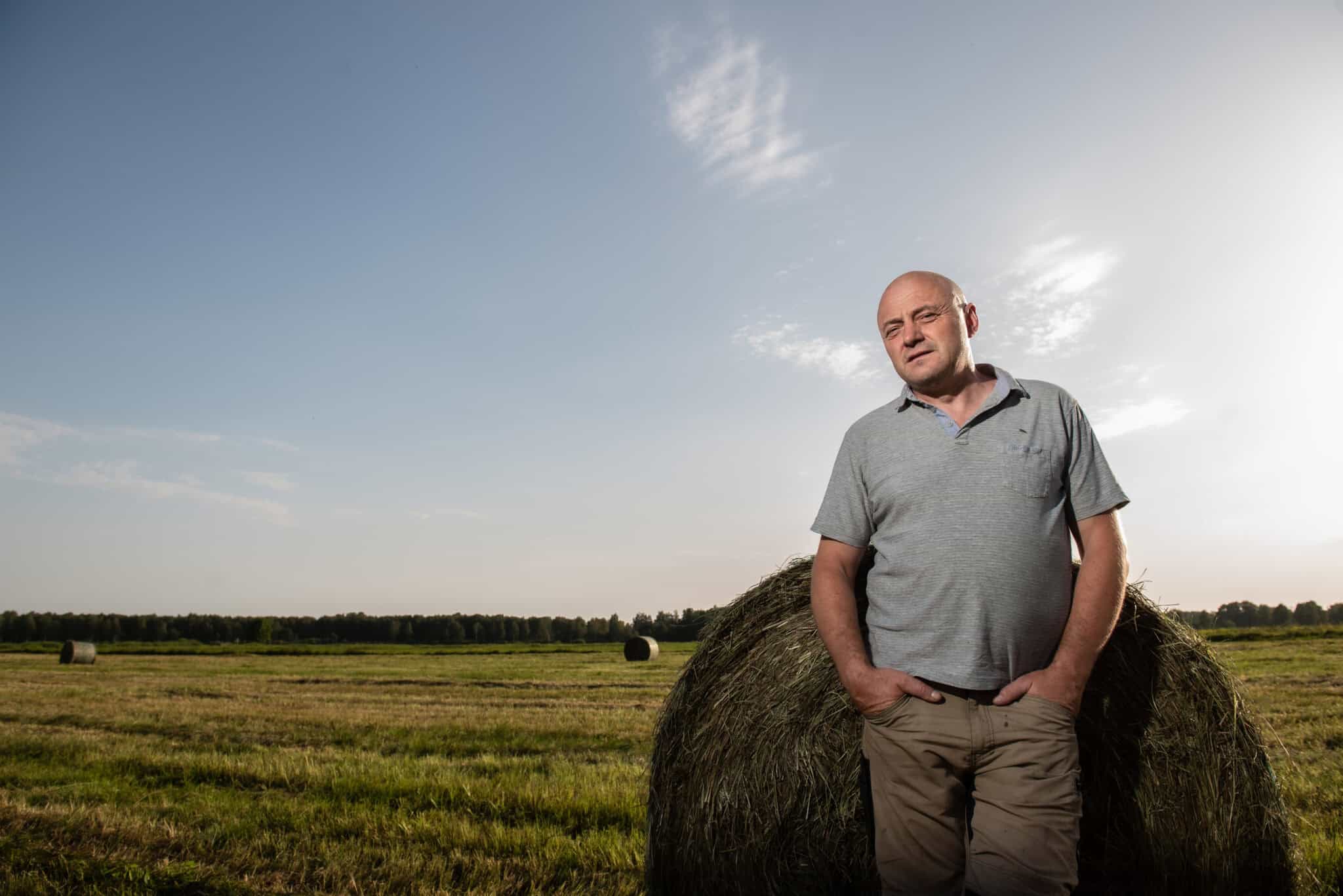
It started with a few cows, an old tractor, and a dream of running his own farm.
The story of Jurijs.
Today, Jurijs raises beef cattle, keeps a deer park, and manages the floodplain meadows of the Sita and Pededze rivers. Over the years, he turned overgrown, flood-prone land into biologically valuable grassland.
Managing floodplain meadows comes with real constraints. The land is a bird habitat, so mowing can only happen in late summer, after the birds have fledged. By then, the hay is too coarse for feed.
That left one question: what do you do with hay that's lost its value? Jurijs found an answer in pellets. Grass biomass, turned into a functional pellet.
Working with Latvijas Dabas fonds, that idea grew into LIFE UpcyclingGrass, a project turning these pellets into raw material for new, nature- and climate-friendly products for farming and forestry.
Take from the land, give back to the land. That's what circular farming looks like.
Nature conservation and farming, working together.
Biologically valuable grasslands need active management to stay open, healthy, and biodiverse. Left unmanaged, they overgrow. Mowing and grazing keep them alive.
We take the biomass from that work and turn it into pellets for farms, stables, nurseries, and growers. What landscape management produces, agriculture puts to use. Conservation and farming share the same ground.

Meadows, cattle and deer.
The cattle and deer in our logo are real. Grazing animals keep meadows open and species-rich. Those same managed grasslands provide the biomass for our pellets. The landscape, the animals, and the pellets form one cycle.
We hope to welcome visitors to the park in the future.

Where the biomass comes from.
Our biomass comes from biologically valuable, managed grasslands - including the Sitas floodplain meadows and the Lubāns wetlands, with sedge-type grassland cut late in the season.
